
EBI Internship Programme

Internship Work

Documentation of activities during the internship at EBI Shashemene Biodiversity Garden.

About This Internship

Student internship at the Ethiopian Biodiversity Institute's Shashemene Biodiversity Garden, documenting botanical activities and supporting garden operations.

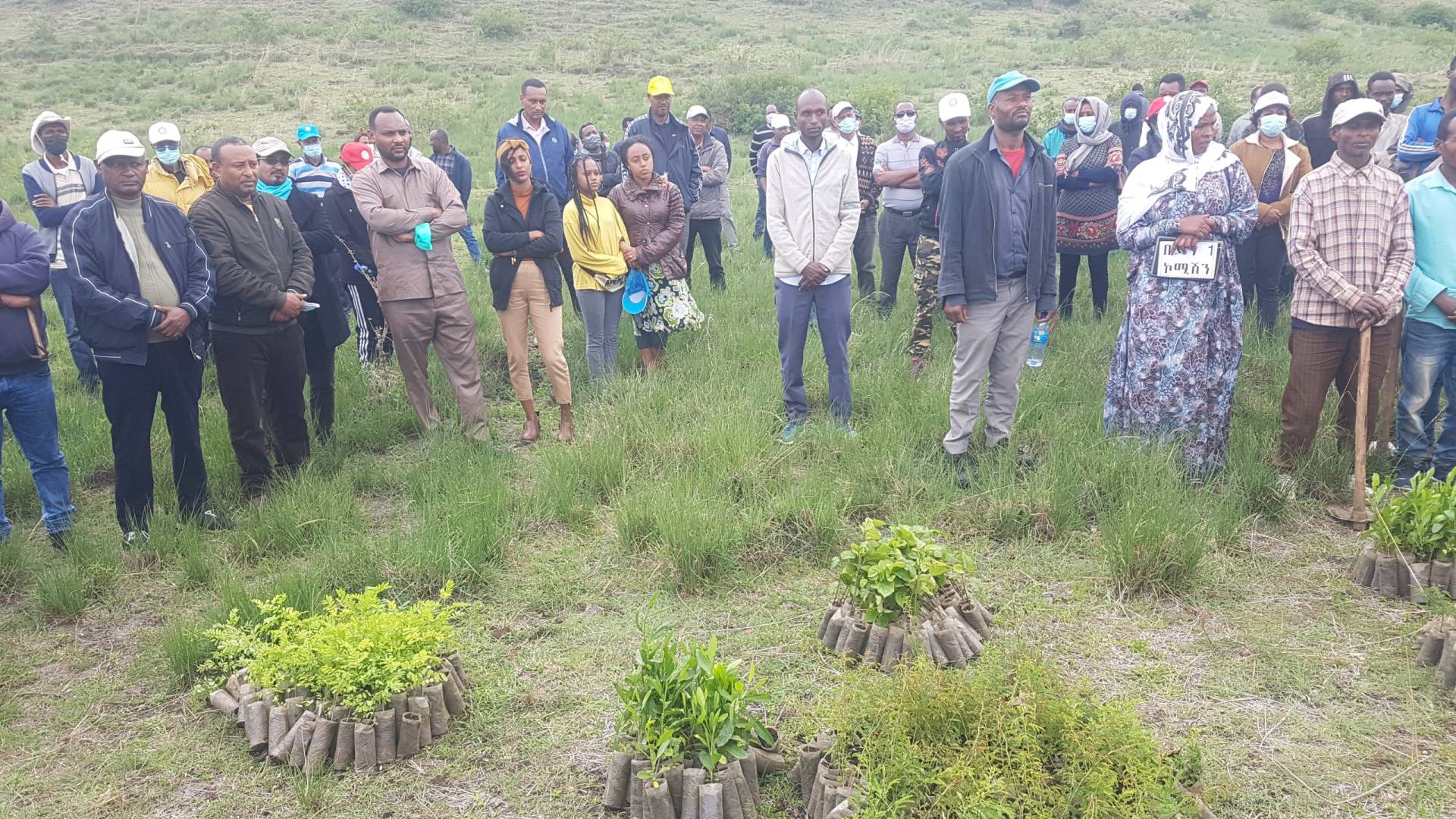
This internship was conducted at the Shashemene Biodiversity Garden under the Ethiopian Biodiversity Institute (EBI). The work focused on practical botanical garden operations, plant documentation, and supporting conservation activities.

The documentation here represents real activities carried out during the internship period. Images are organized by activity type based on the actual work performed.

Activity

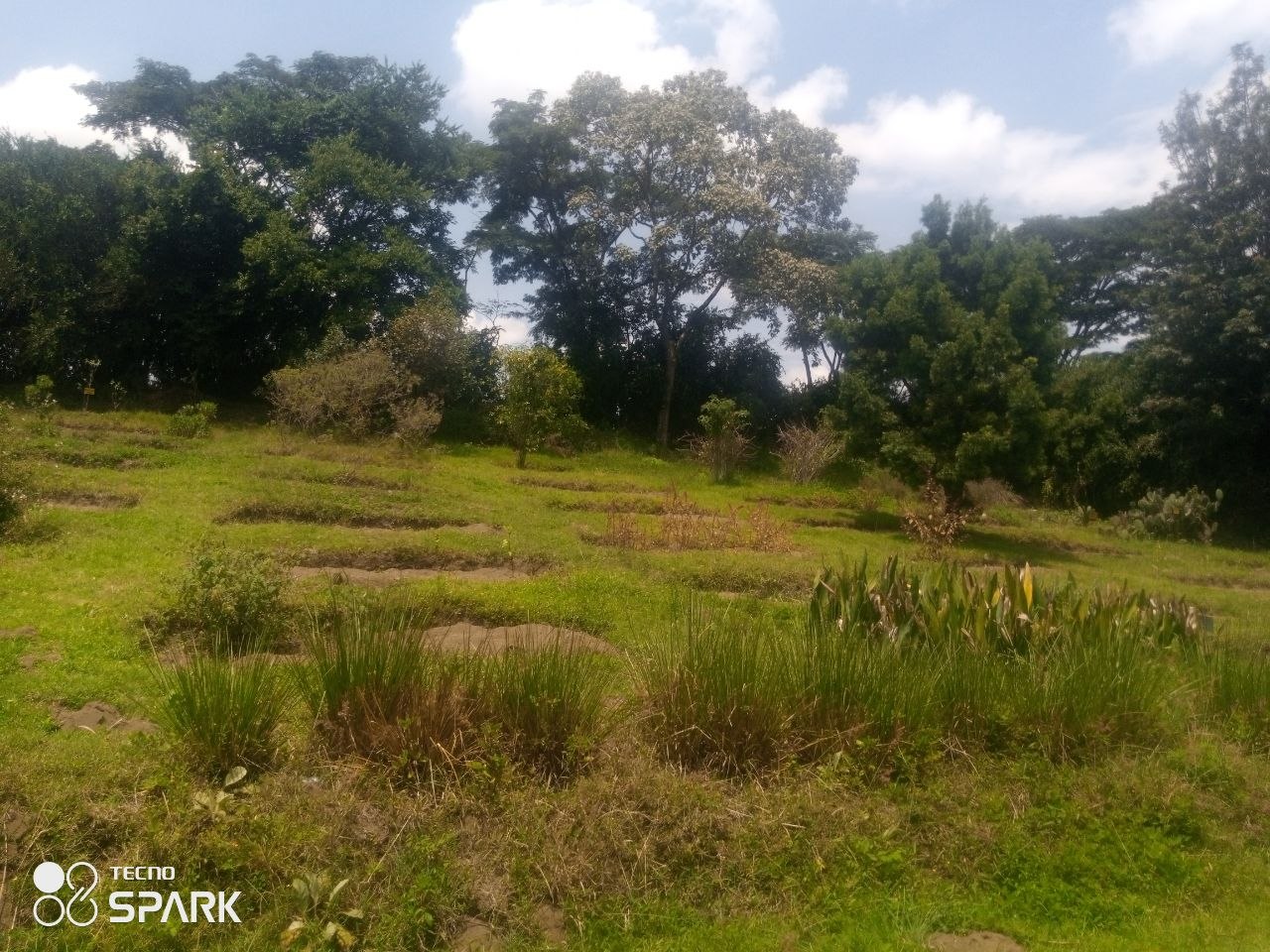
Shashemene Biodiversity Garden

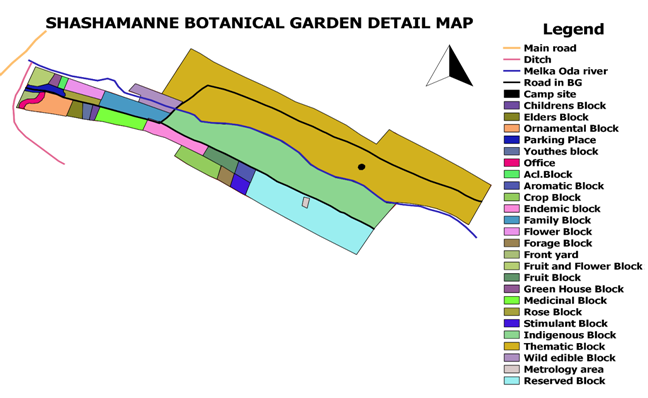
Overview of the garden site, layout, and daily operations.

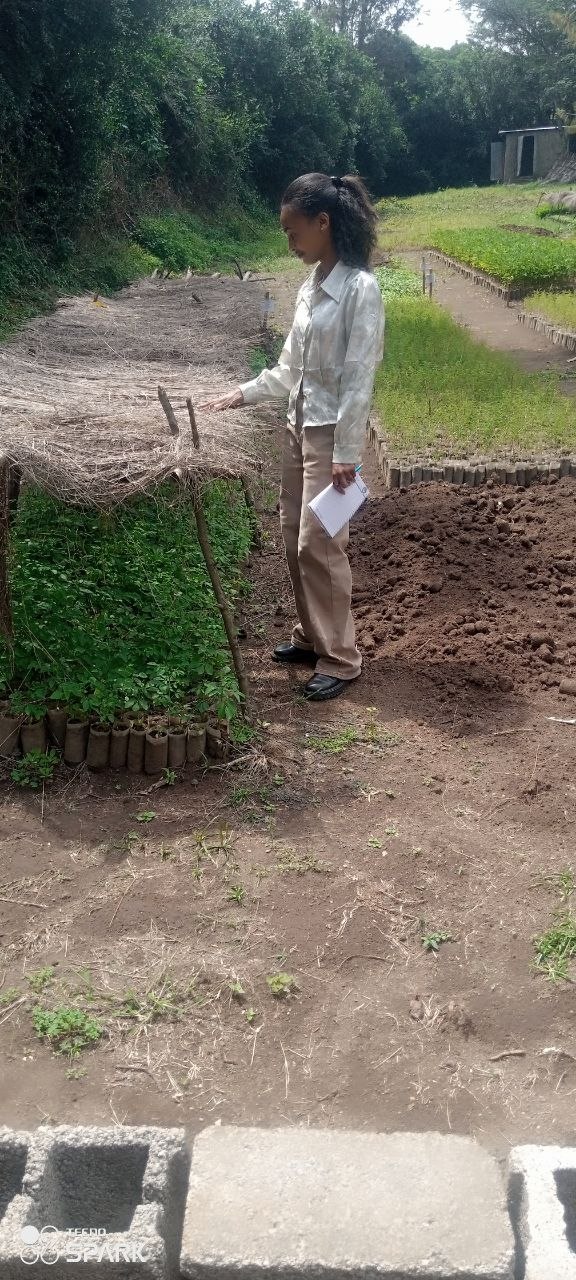
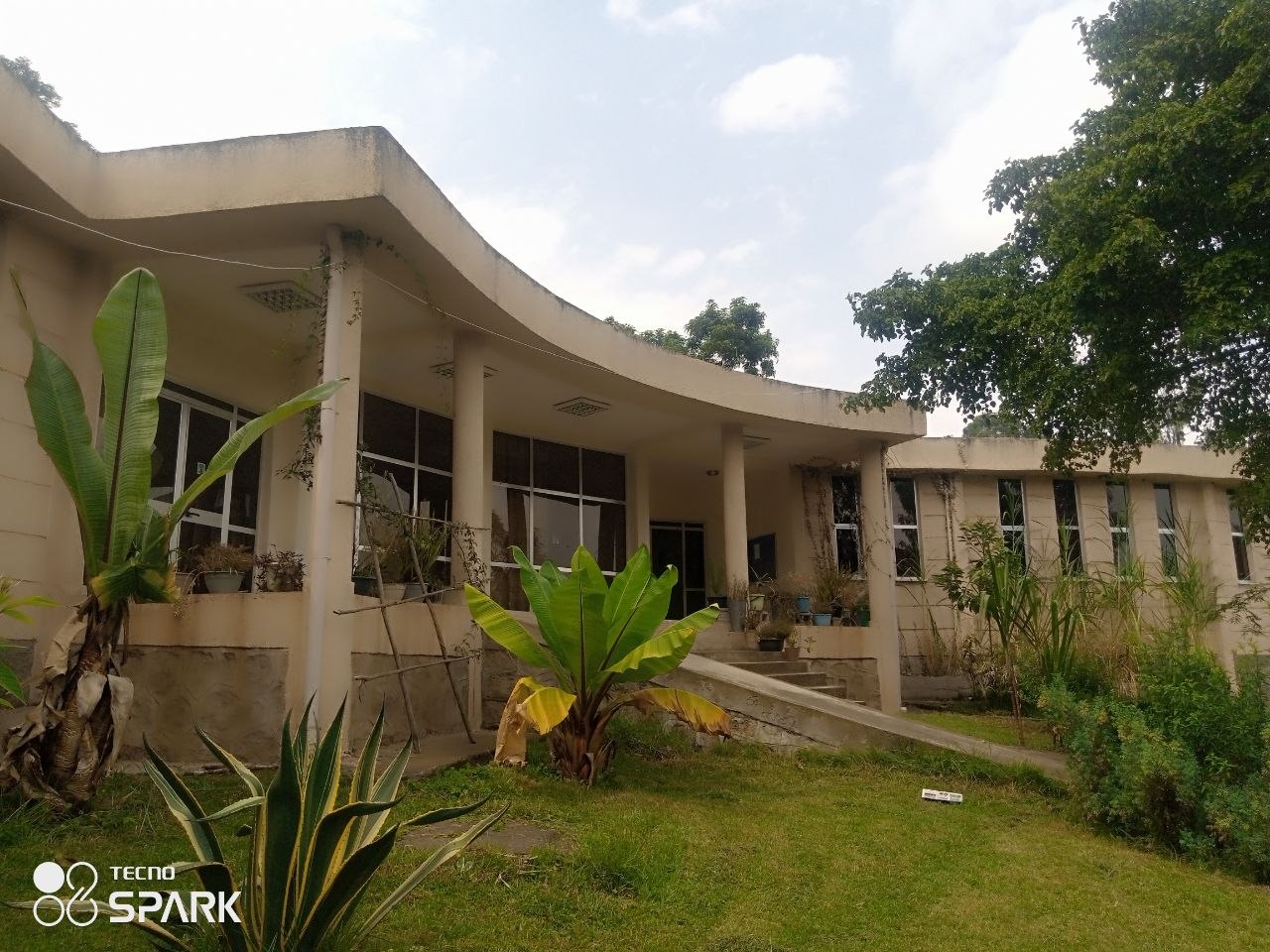
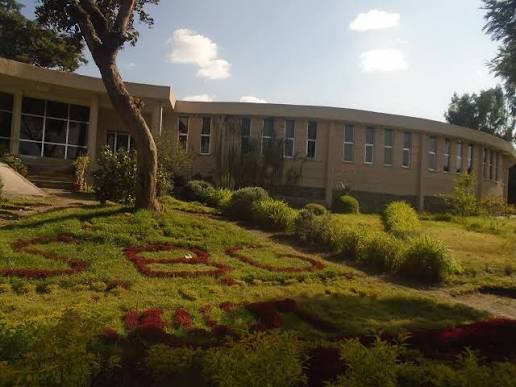
The Shashemene Biodiversity Garden is the primary site for the EBI internship programme. Located in the Bale-Shashemene highlands, the garden serves as a conservation and research facility for native Ethiopian plant species.

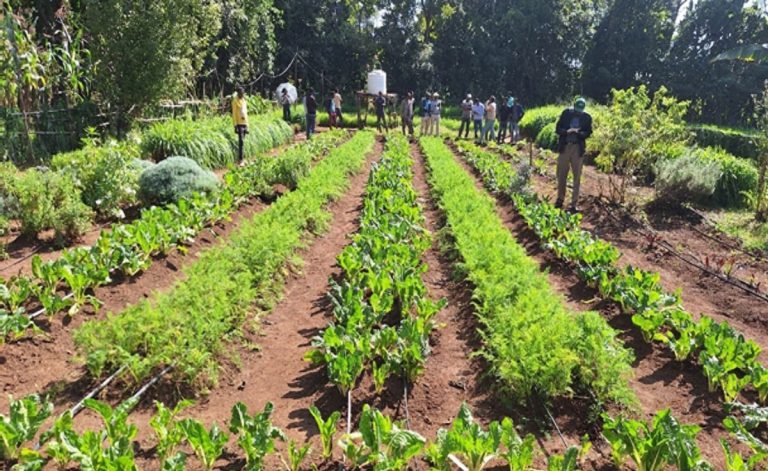
Daily activities included garden maintenance, plant monitoring, and assisting with visitor education about the garden's collections.

Activity

Medicinal Plant Documentation

Recording medicinal plants with trilingual nomenclature and traditional use descriptions.

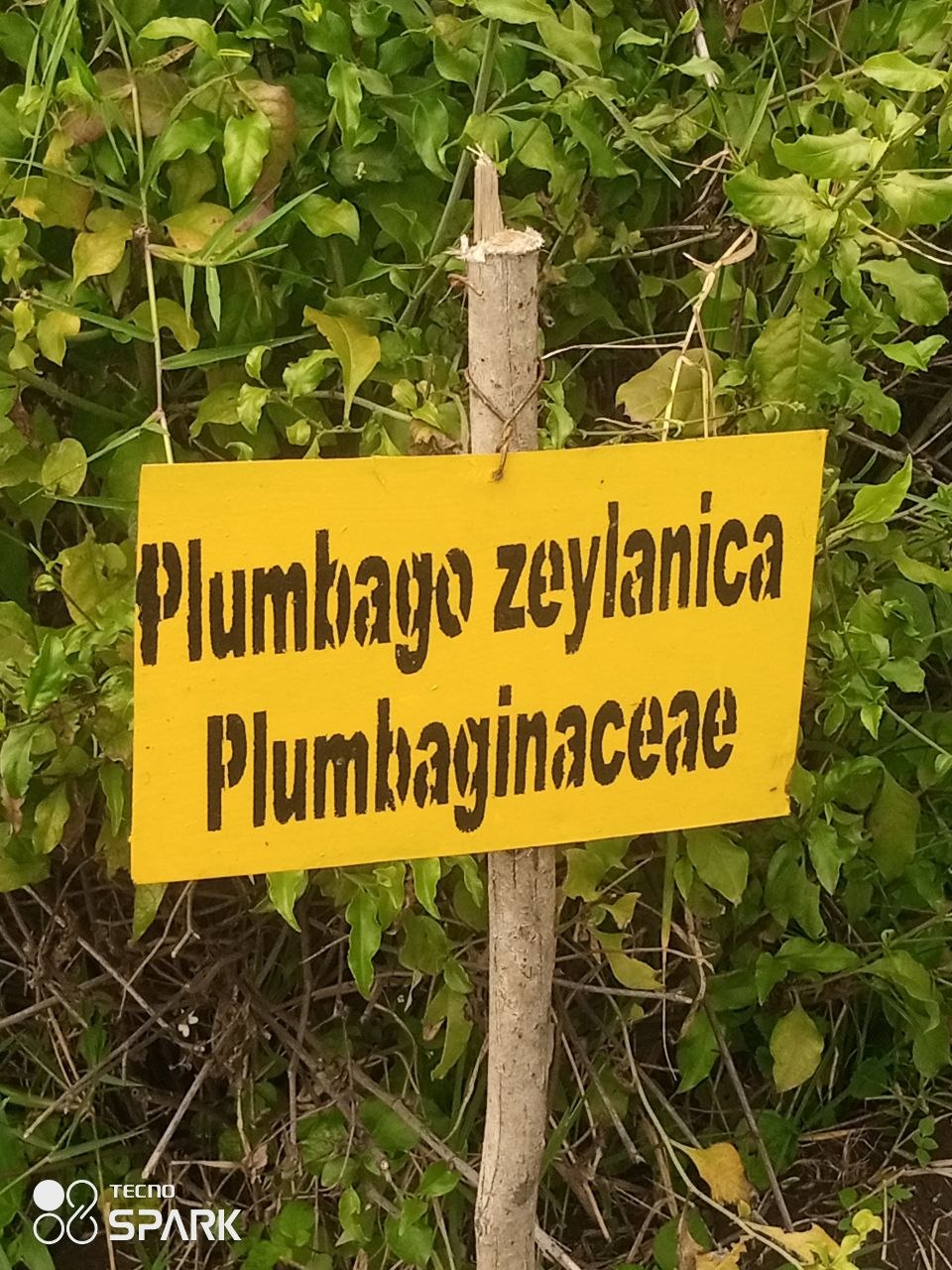
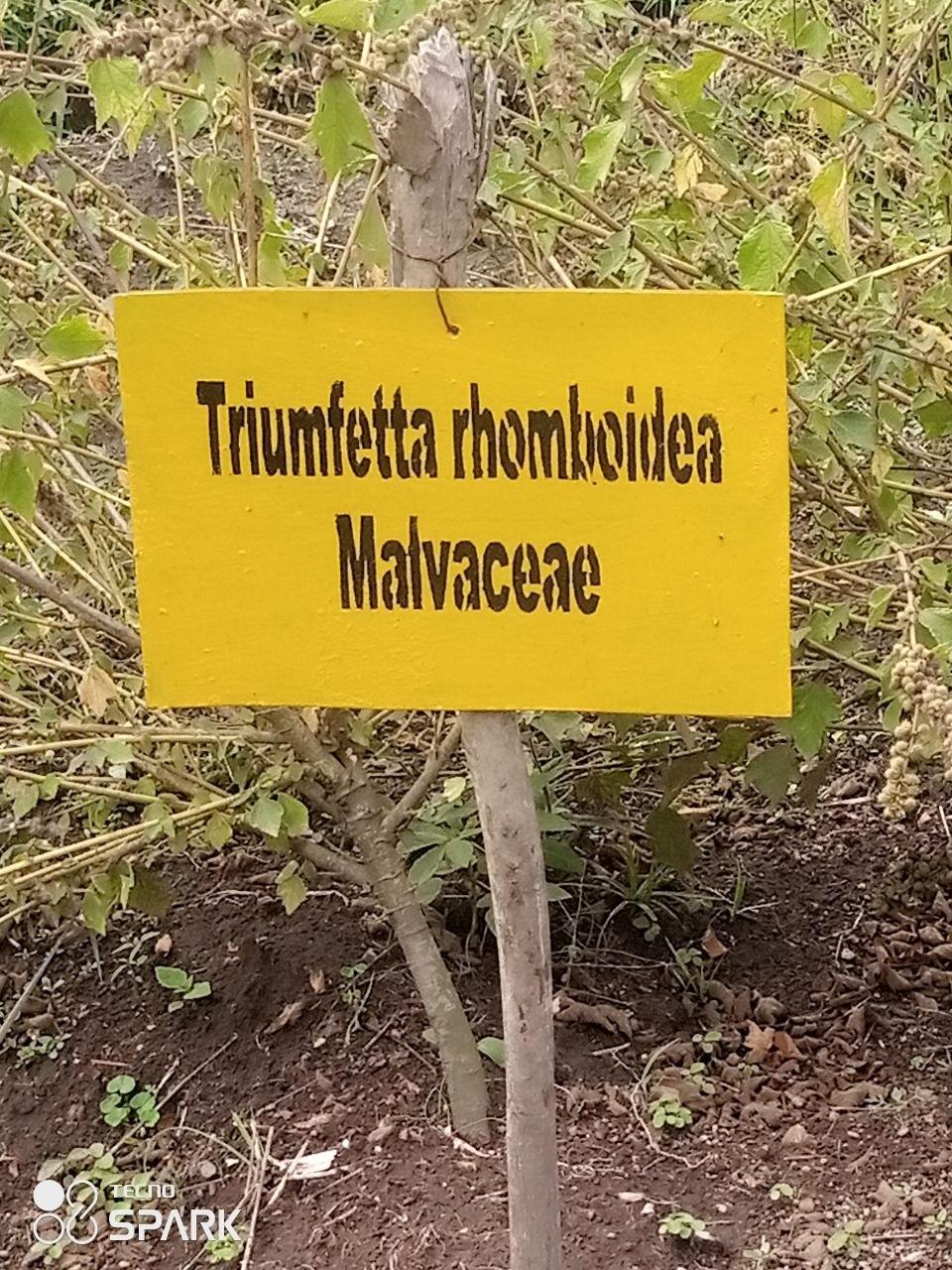
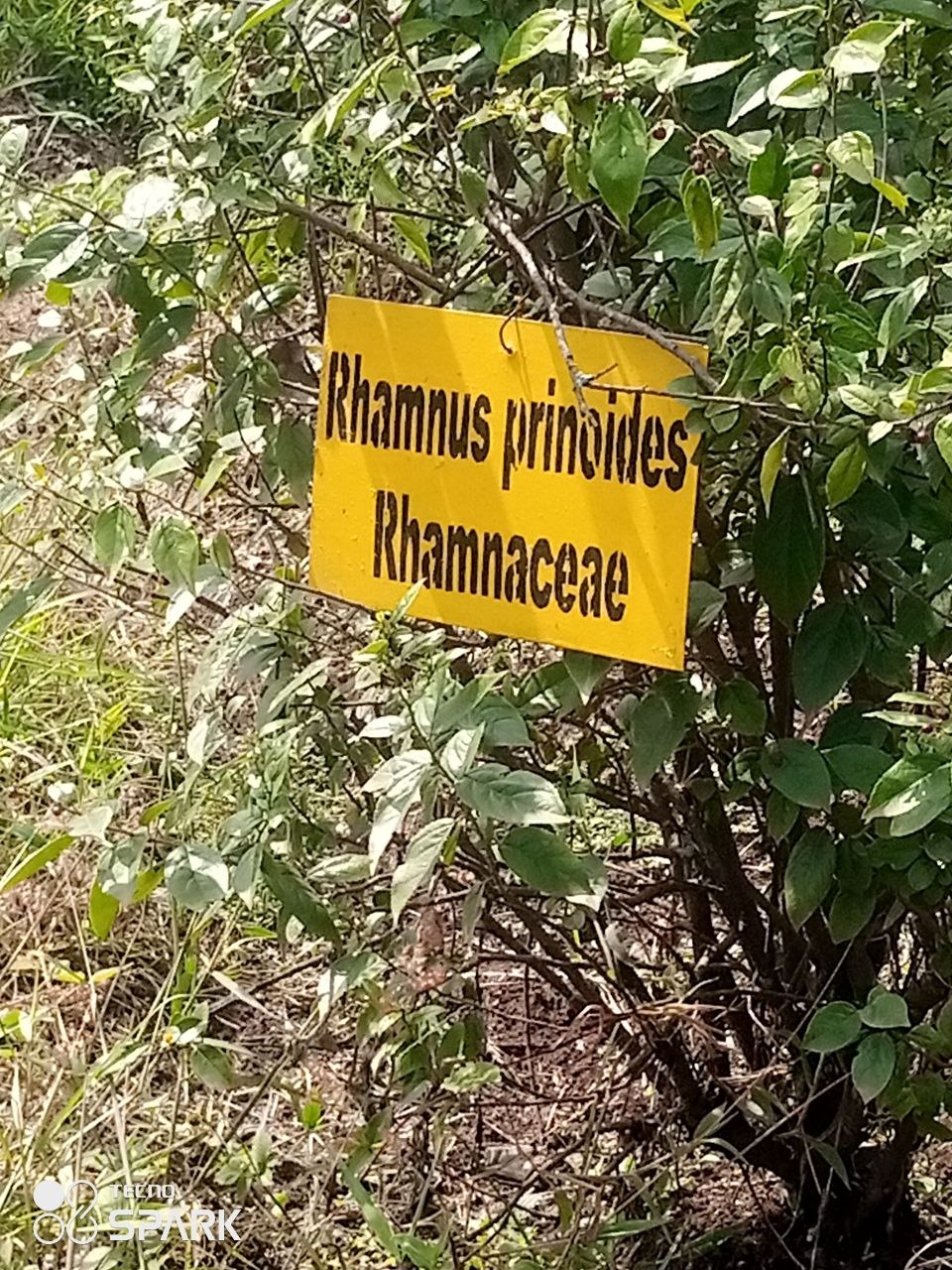
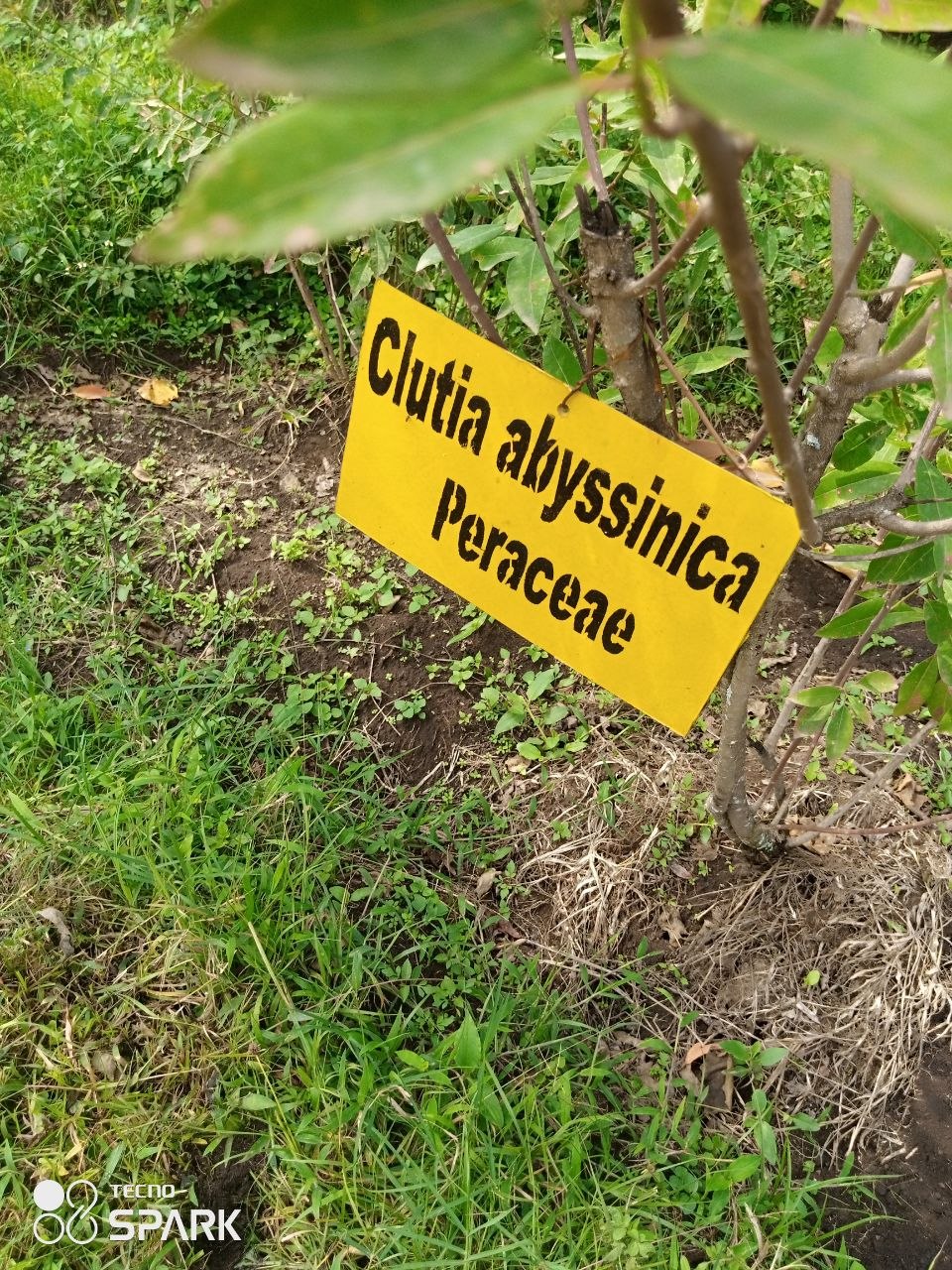
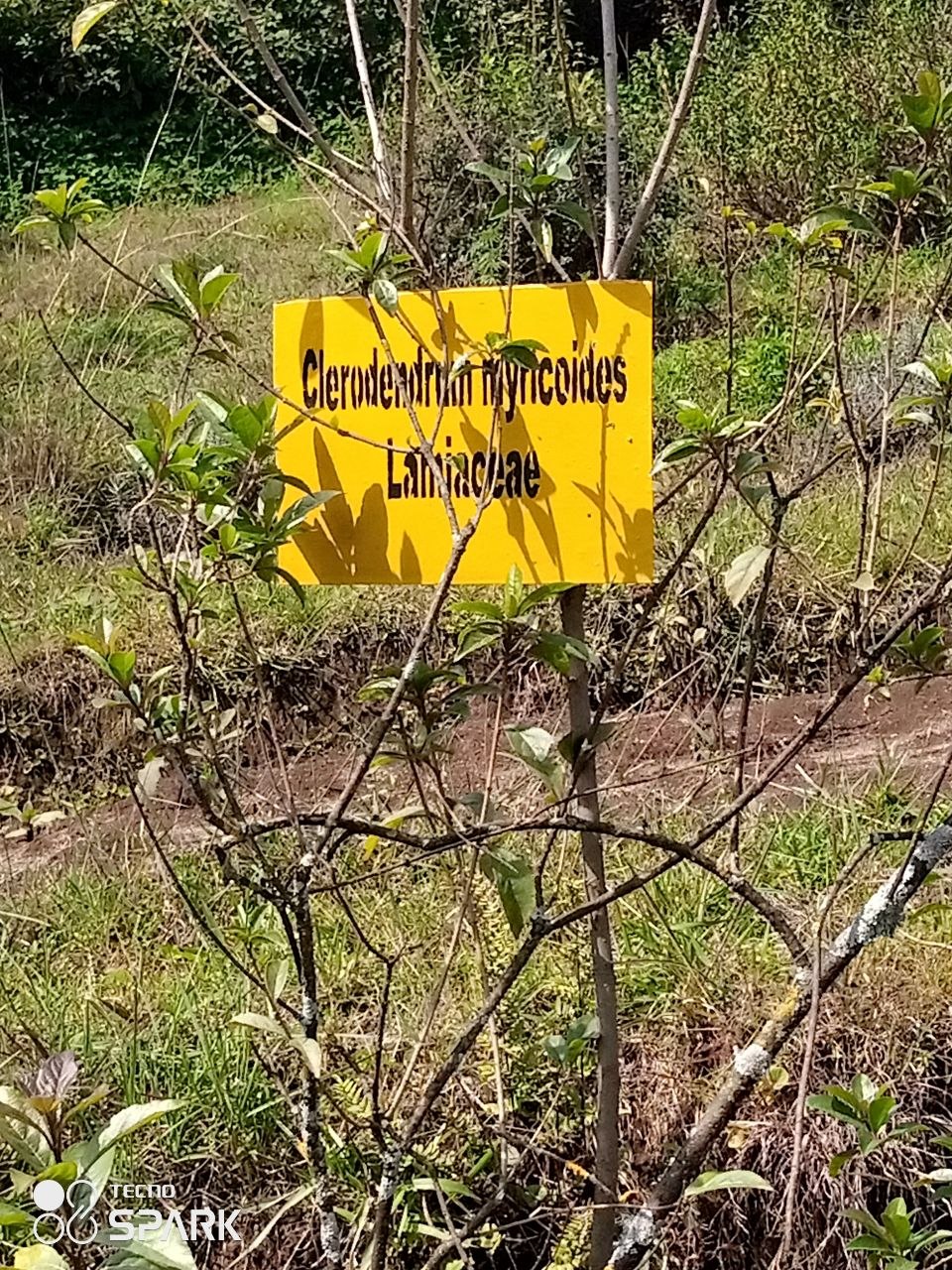
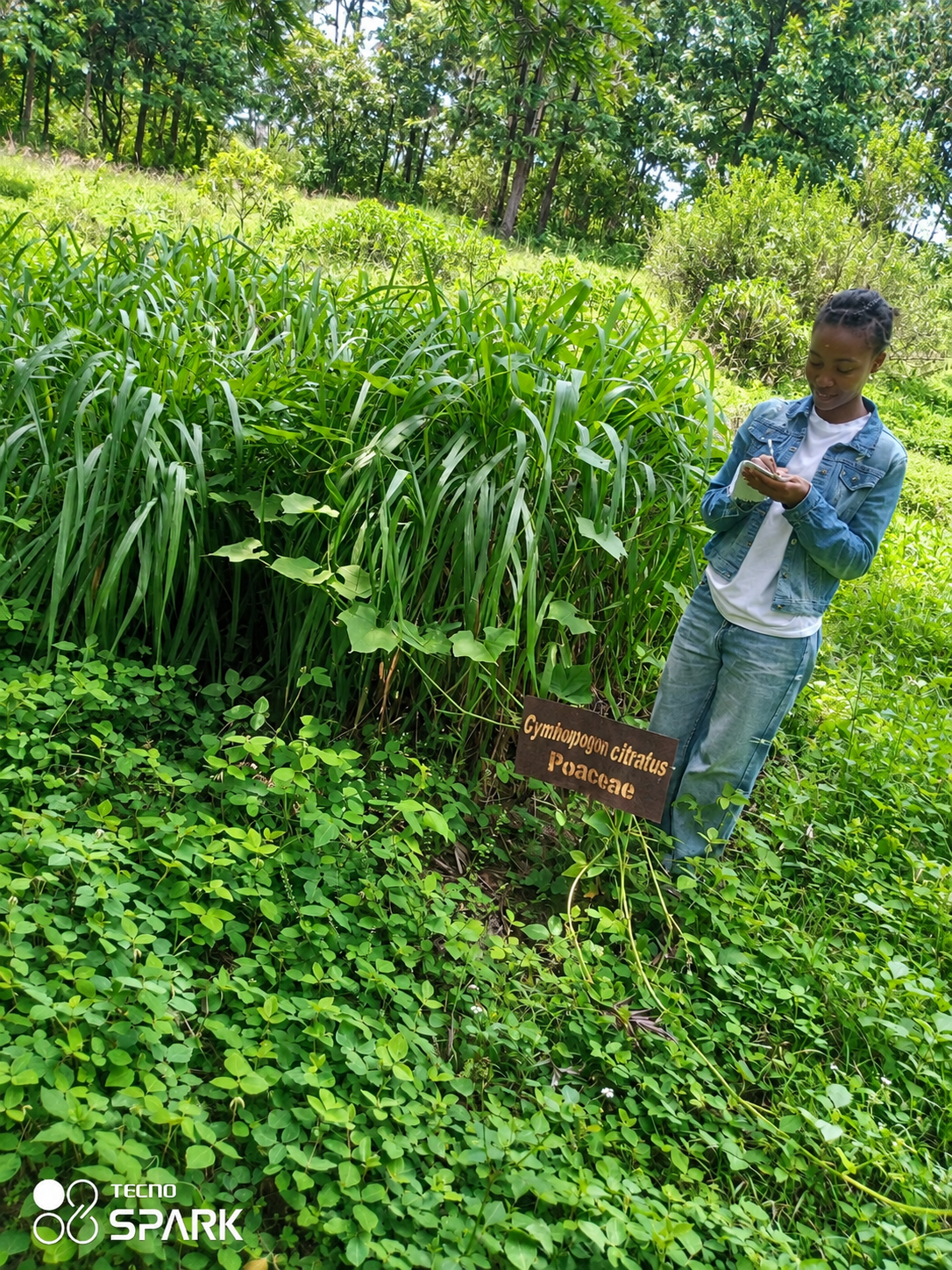
Medicinal plant documentation involves identifying, photographing, and recording plant species with known traditional medicinal uses. Each specimen is documented with its scientific name, Afaan Oromo name, Amharic name (Ge'ez script), and English common name.

Traditional use descriptions are recorded through interviews with community knowledge-holders following informed consent protocols.

Activity

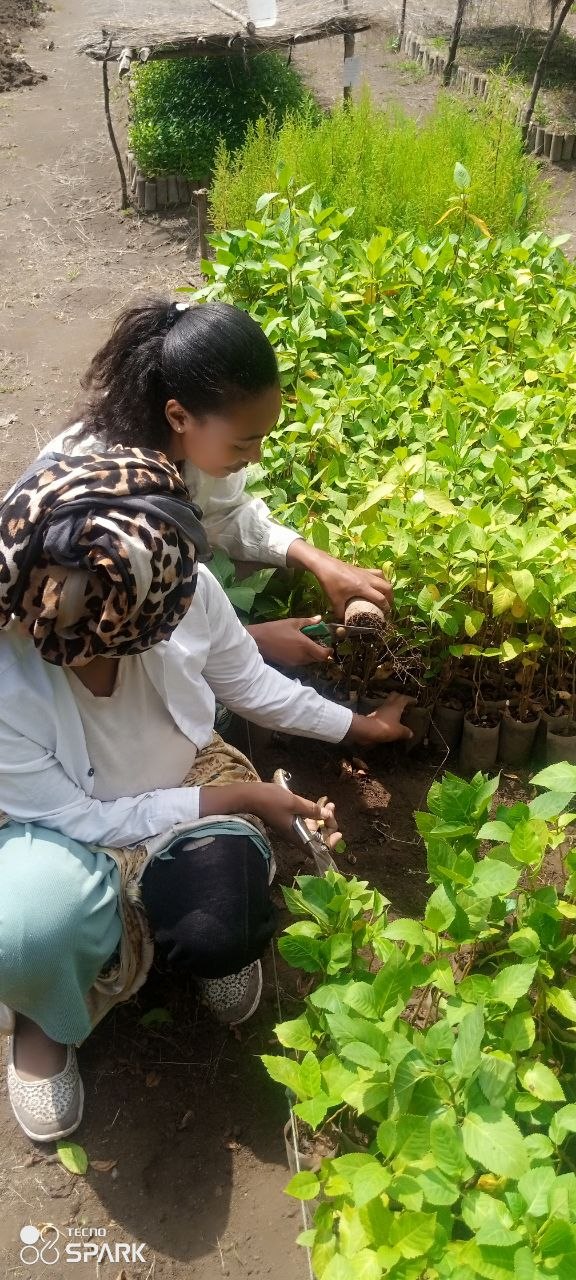
Plant Care & Potting

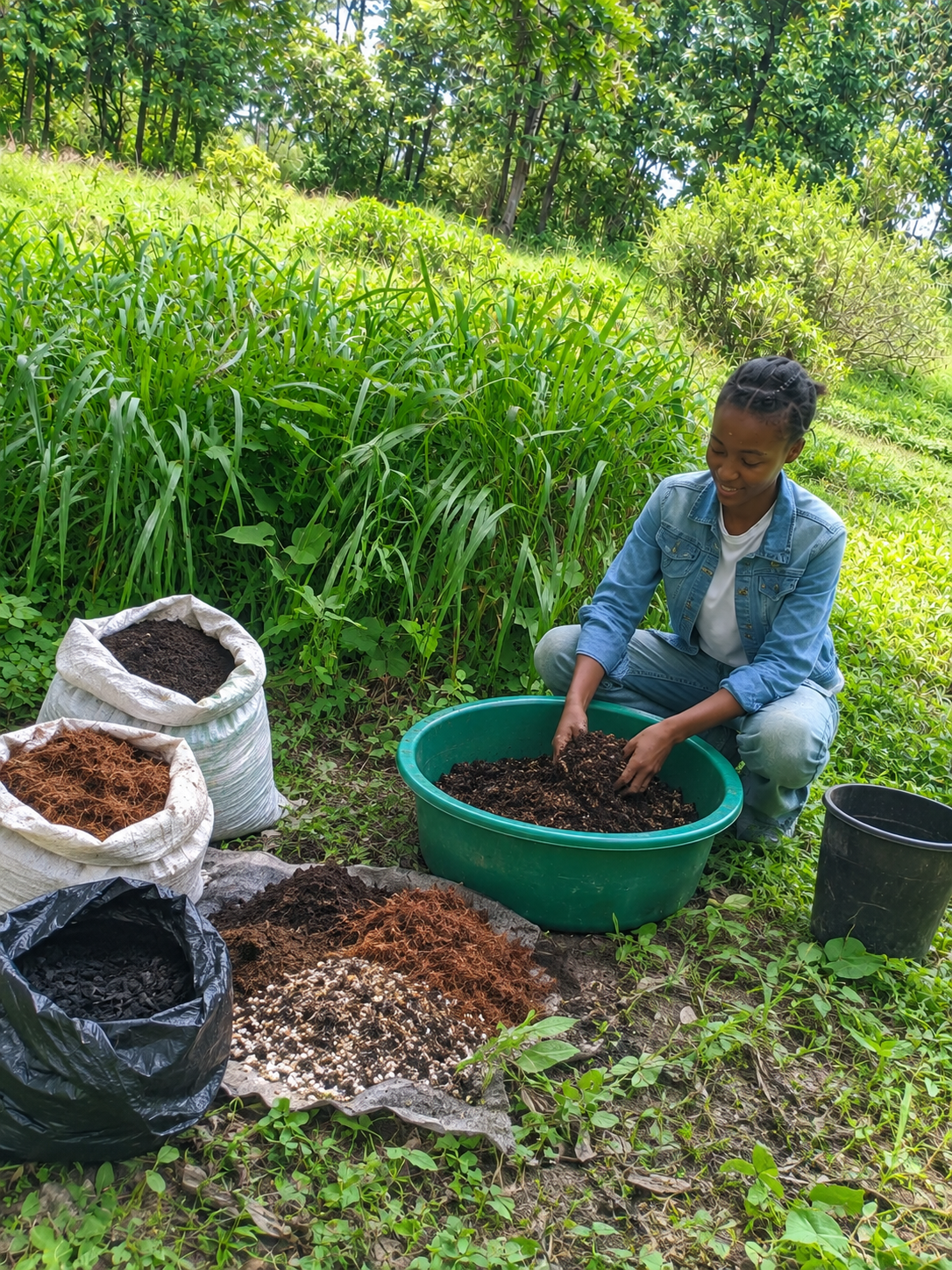
Preparing potting media, transplanting seedlings, and nursery management.

Plant care activities include preparing potting mixtures appropriate for different species, transplanting seedlings into larger containers, and maintaining proper watering schedules.

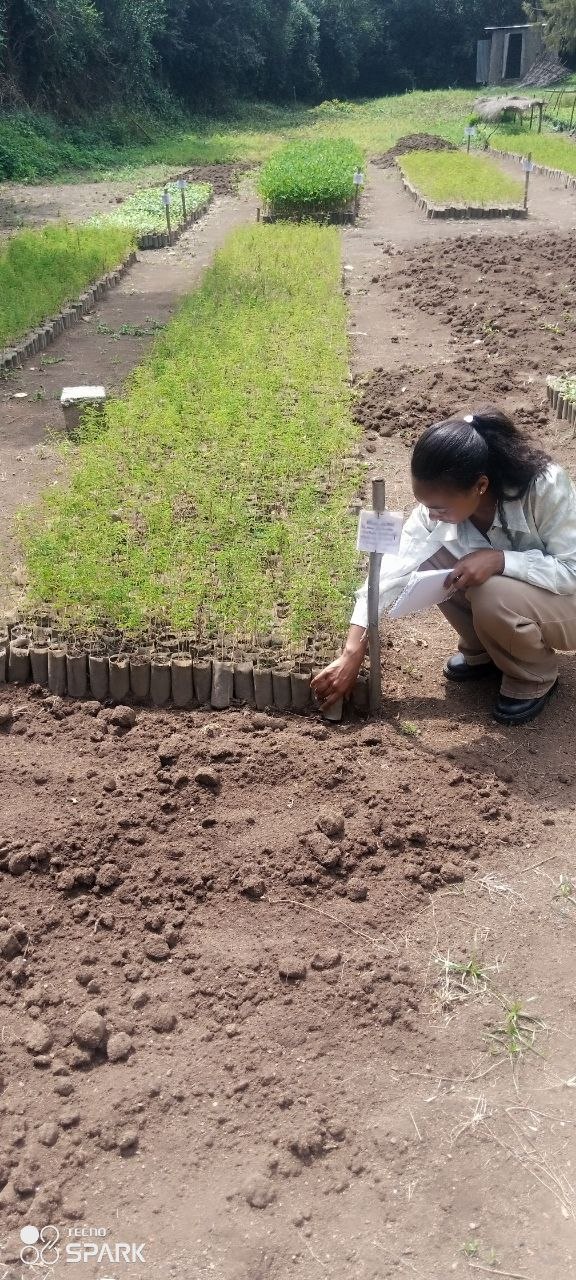
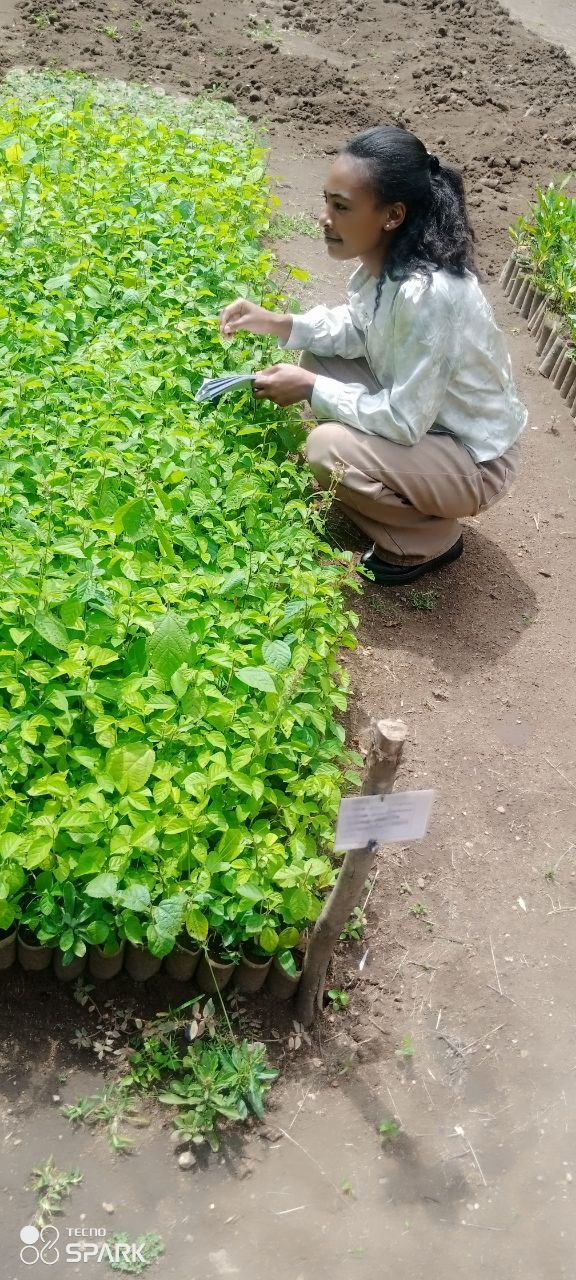
Detailed notes are taken on growth conditions, media composition, and plant responses to inform future propagation protocols.

Activity

Indigenous Plant Site Documentation

Documenting native plant species in their natural habitat.

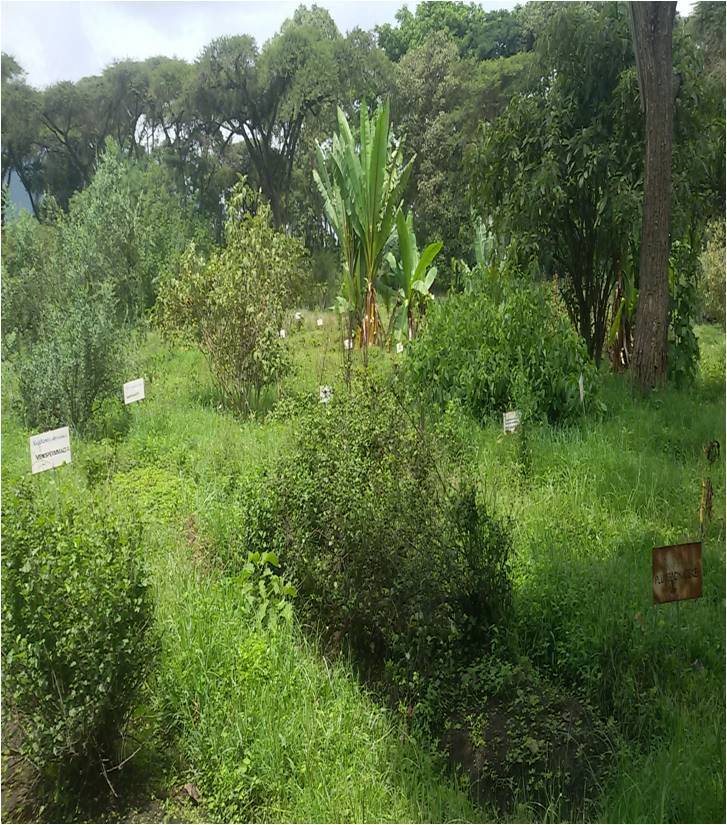
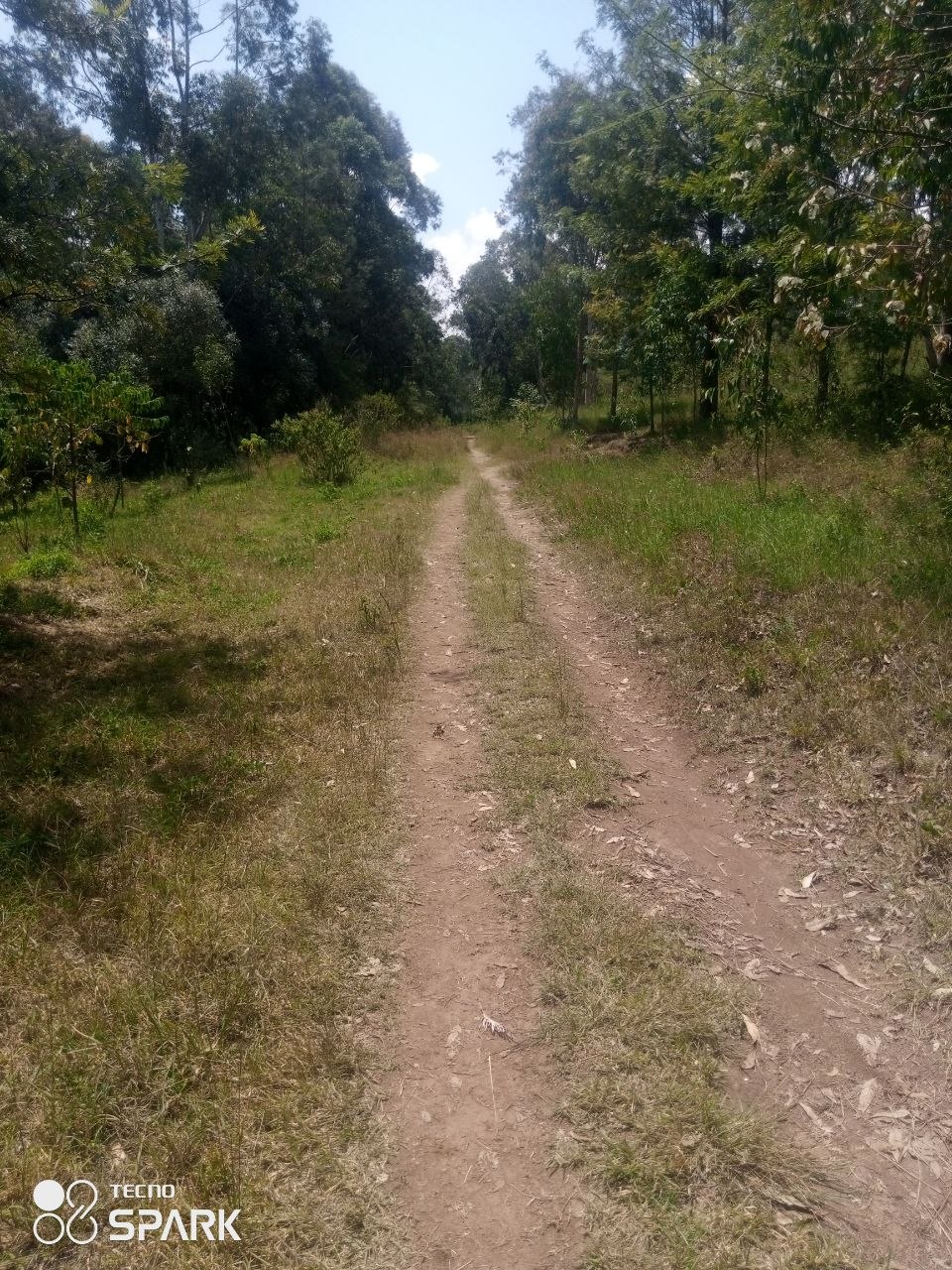
Field visits to indigenous plant sites document species in their natural ecological context. This includes recording GPS coordinates, associated species, habitat conditions, and any visible threats to the populations.

Activity

Vermicompost Production

Preparing and managing vermicompost for organic soil enrichment.

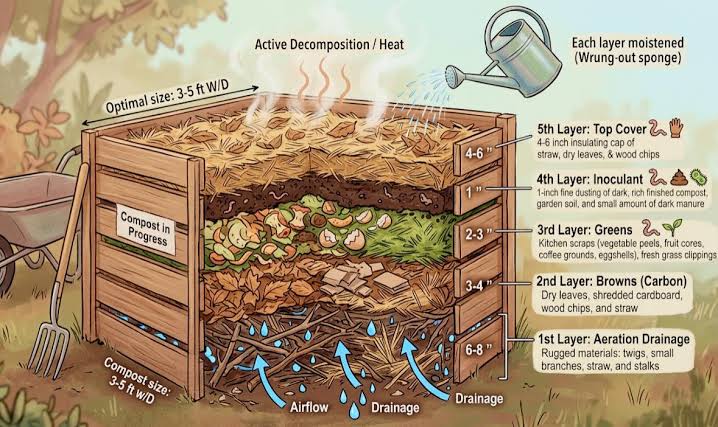
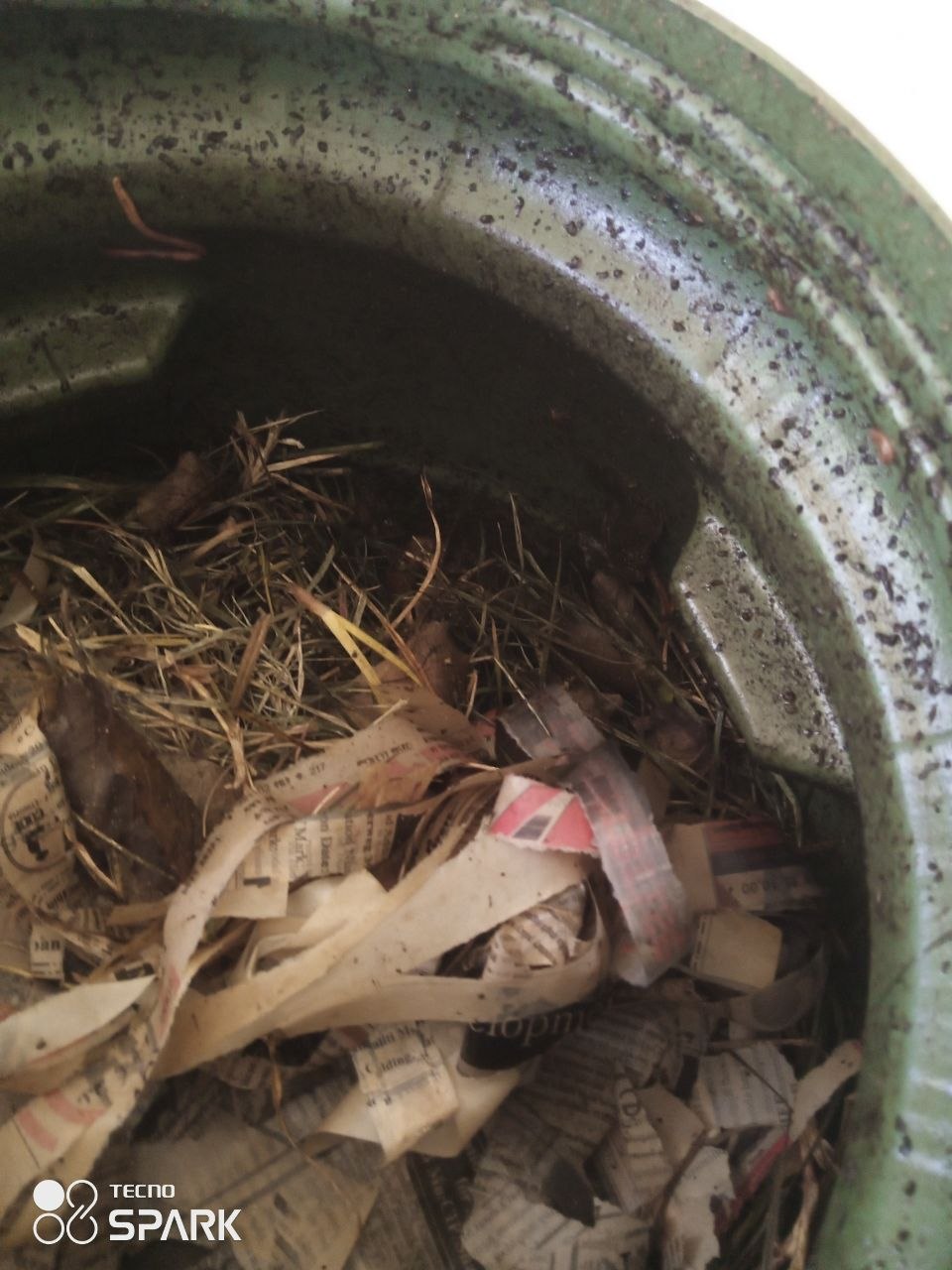
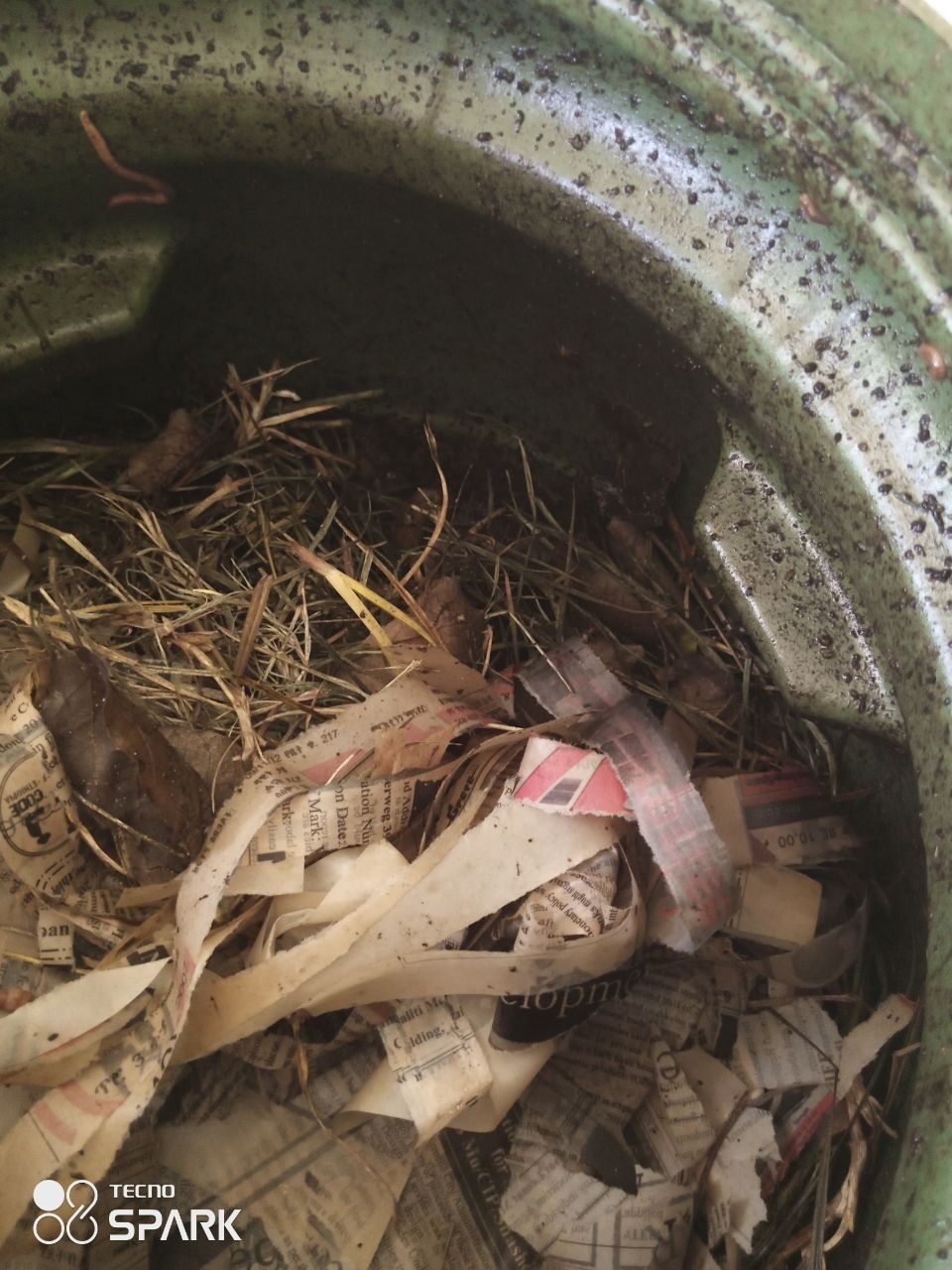
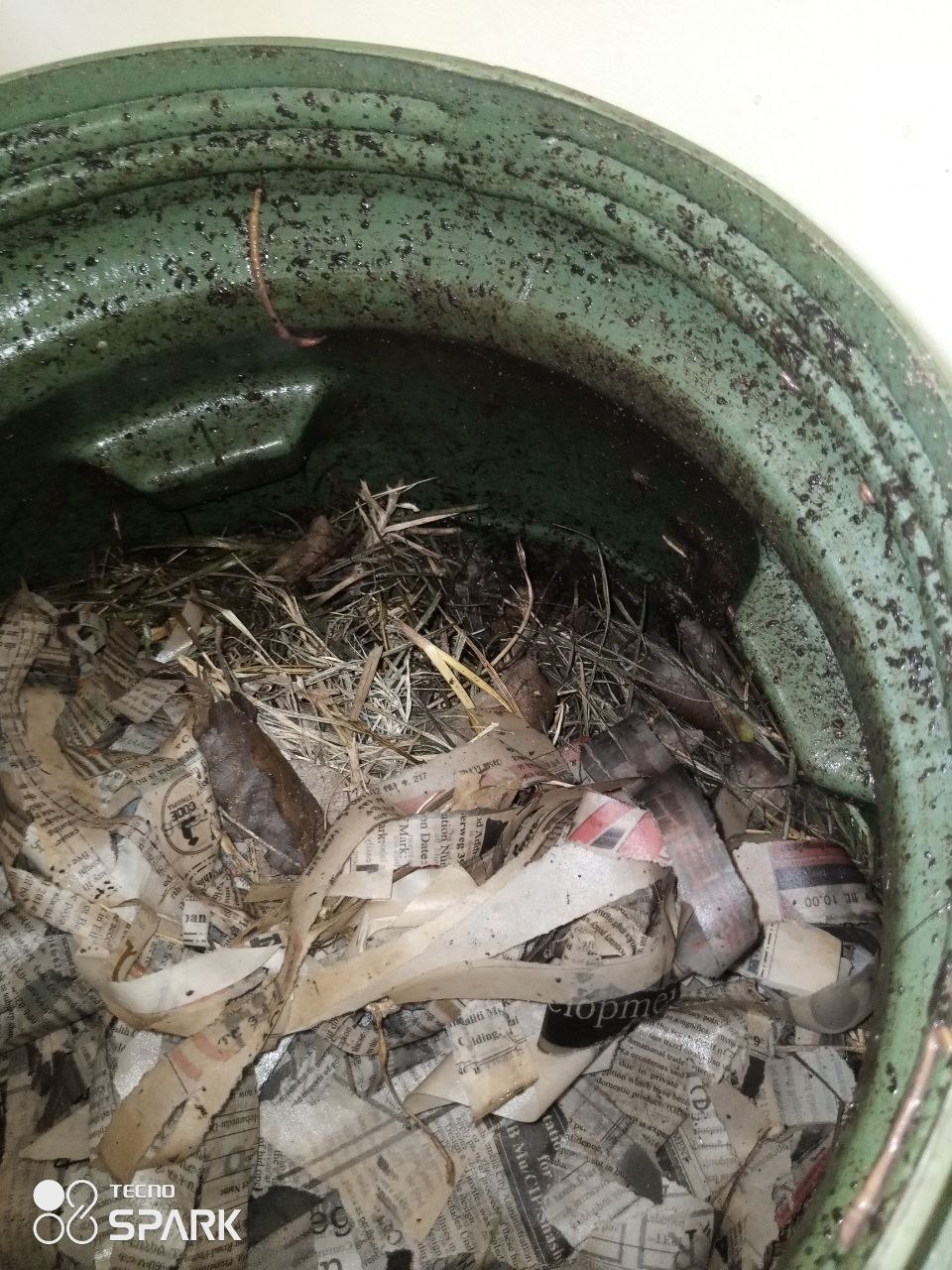
Vermicompost production uses earthworms to decompose organic waste into nutrient-rich compost. This activity supports the garden's organic cultivation practices by providing a sustainable soil amendment.

The process involves preparing bedding material, maintaining proper moisture and temperature, and harvesting the finished vermicompost for use in the nursery.

Activity

Study & Learning

Educational activities, species identification practice, and field guide reference.

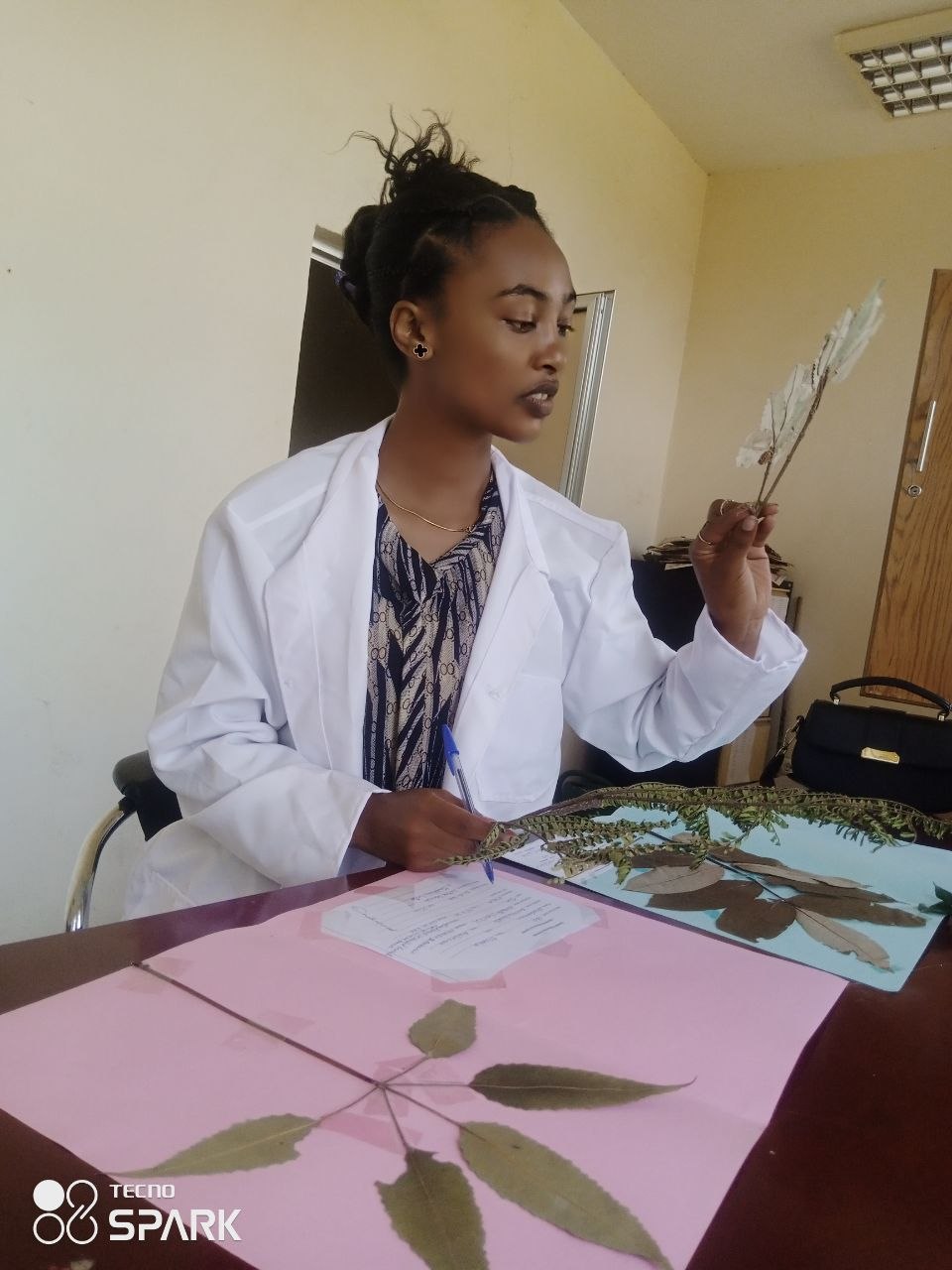
Regular study sessions using field guides and reference materials are essential for accurate species identification. This includes reviewing botanical terminology, learning diagnostic features of plant families, and practicing with herbarium specimens.

Activity

Landscape & Water Resources

Documenting the surrounding landscape and water resources near the garden.

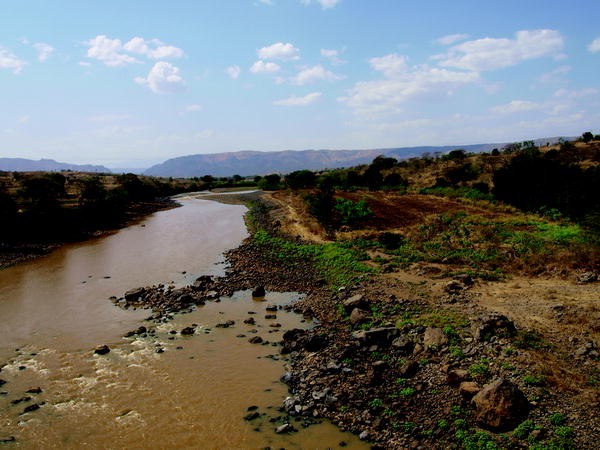
The Melka Oda River is an important water resource for the Shashemene area. Documenting the river and surrounding landscape provides context for the garden's water management and the broader ecological setting of the biodiversity garden.

Activity · Supervision

Supervision & Mentorship

Working under the guidance of EBI supervisors and garden staff.

Portrait of Supervisor Mr Jemal Kadu

Field Supervisor · Shashemene Biodiversity Garden

Mr Jemal Kadu

Ethiopian Biodiversity Institute

Daily, hands-on mentorship that shaped every stage of the internship — from first identification to final documentation.

Supervisor Mr Jemal Kadu guided garden operations, plant identification, and proper documentation technique in the nursery, the compost yard, and indigenous field sites. His corrections on collection protocol, labelling, and field-note discipline ensured the archive meets institutional standards.

  • Garden operations — task planning, nursery care & site maintenance
  • Plant identification — diagnostic features & field-guide use
  • Documentation — photography, metadata & herbarium standards
"Good documentation is respect — for the plant, the community, and the next researcher."
Activity

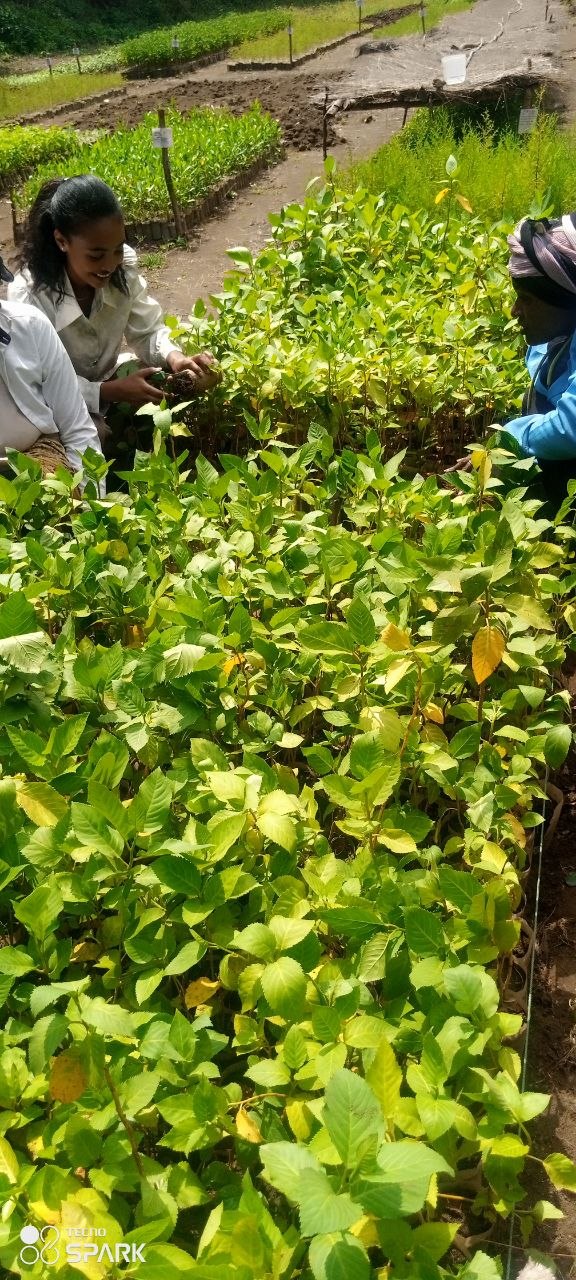
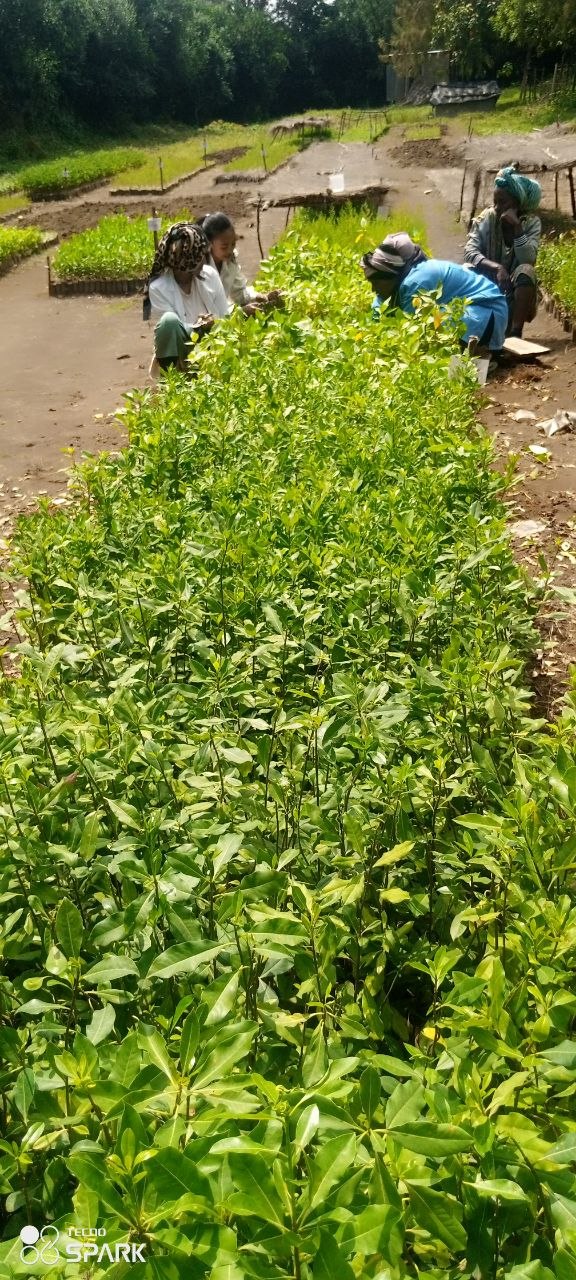
Intern at Work

Documentation of the intern performing various garden tasks.

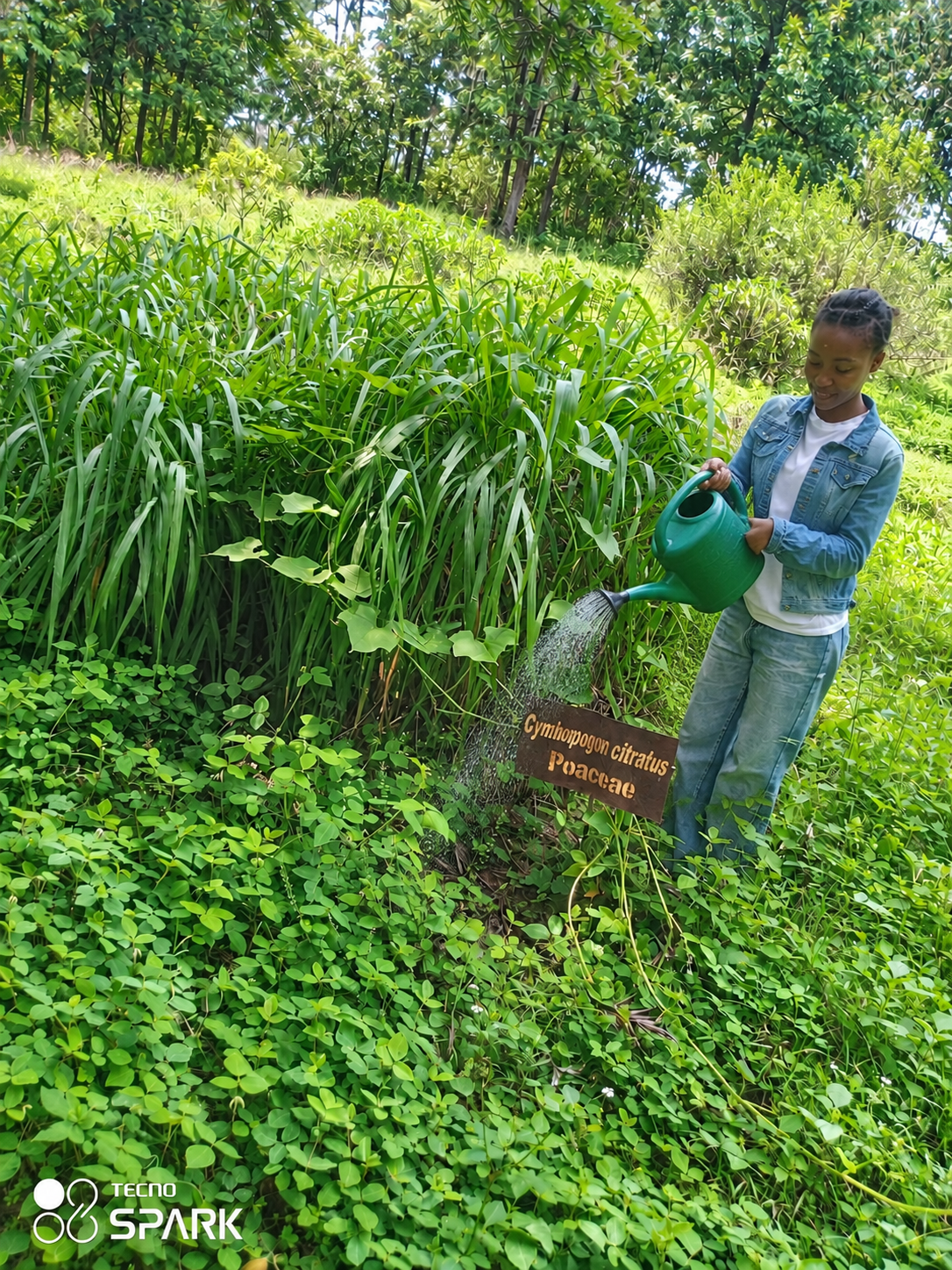
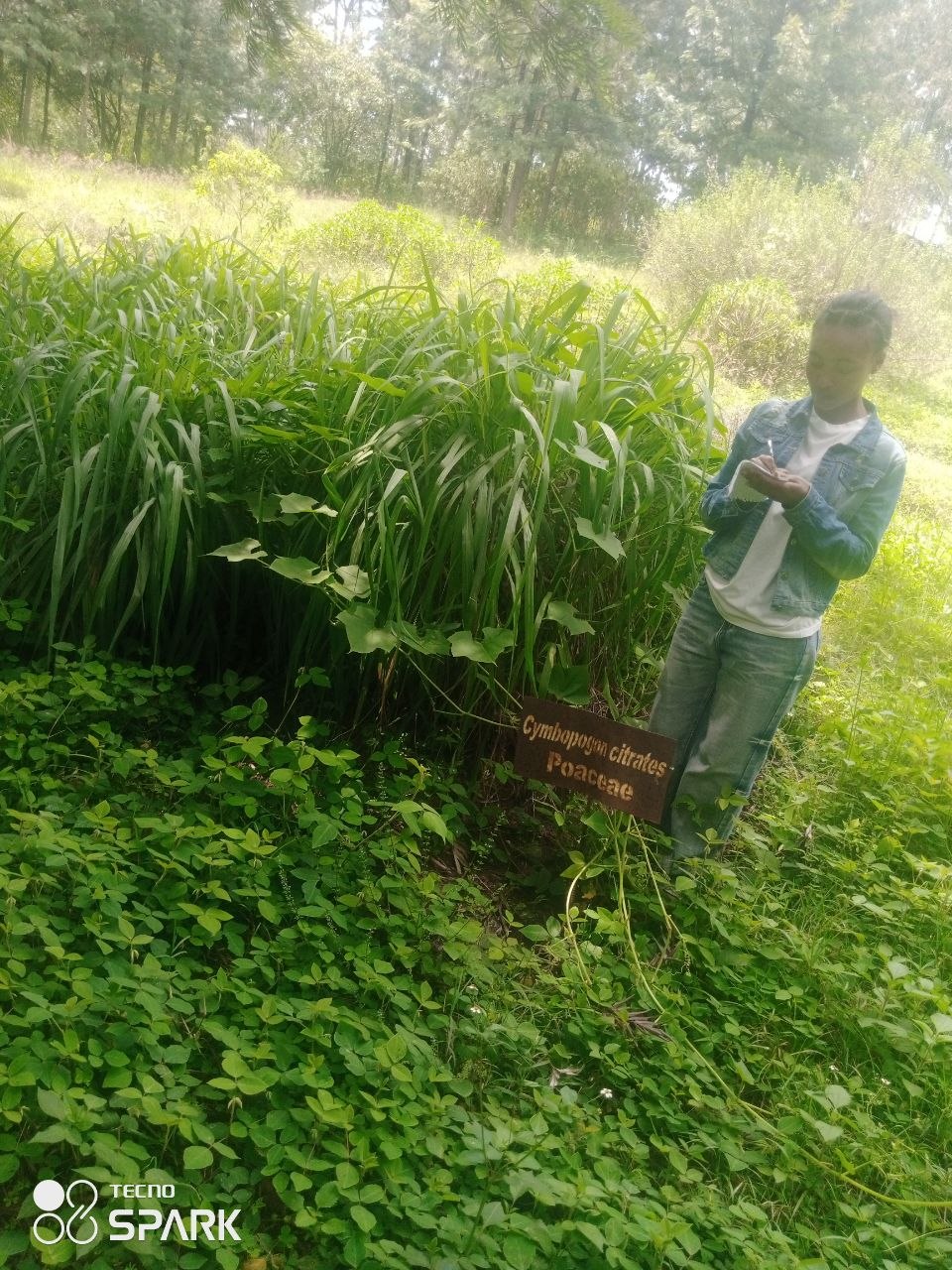
These images document the intern performing various tasks throughout the garden — from plant care and documentation to compost management and site maintenance.