Bale–Shashemene Highlands · Ethiopia

Documenting Indigenous Botanical Knowledge of the Bale-Shashemene Highlands

A collaborative ethnobotanical research initiative preserving traditional medicinal plant knowledge for scientific study and community benefit.

0
Documented Species
0
Partner Institutions
0
Active Researchers
0
Publications

Institutional Partners

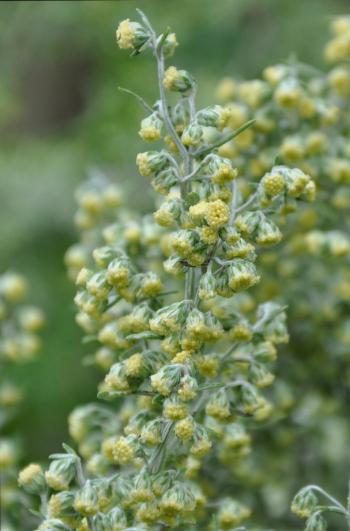
African wormwood specimen from the highlands

Mission

Why This Matters

Bridging traditional knowledge and modern biodiversity science in one of Ethiopia's most ecologically rich regions.

The Bale-Shashemene highlands hold centuries of indigenous knowledge about medicinal plants used by local communities for healing, nutrition, and cultural practice. Much of this knowledge exists only in oral tradition and faces erosion as ecosystems and livelihoods change.

Through systematic field documentation at the Shashemene Biodiversity Garden and surrounding sites, this initiative creates a permanent, accessible record of plant species — with names in Afaan Oromo, Amharic, and English — alongside their traditional uses, preparation methods, and collection metadata.

Our work supports grant applications, peer-reviewed publications, and institutional collaboration while ensuring that community knowledge-holders are acknowledged as primary sources of this research.


Impact

Research at a Glance

0
Plant Specimens
0
Languages Documented
0
Lab Verified
0
Collection Sites

Specimen of Note

Featured Plant

Discover

Explore the Archive

Three pillars of our ongoing research documentation.

Plant archive preview — medicinal herbs from the highlands

Plant Archive

Searchable database of documented species with multilingual names, traditional uses, and verification status.

Browse the archive →
Field research preview — data collection in the highlands

Field Research

Methodology, site maps, and photographic documentation from ongoing collection work in the field.

View field work →
Publications preview — research papers and citations

Publications

Peer-reviewed papers, preprints, and formal citations from our ethnobotanical research programme.

Read publications →

Highlights

Current Research Focus

01

Trilingual Nomenclature

Every specimen recorded in English, Afaan Oromo, and Amharic (Ge'ez script) with scientific binomial identification.

02

Verification Workflow

Three-tier status system: Field Reported → Cross-Referenced → Lab Verified for scientific rigour.

03

Community Protocol

Knowledge-holders acknowledged as primary sources with informed consent at every collection event.

The Team

From the Researchers

Perspectives from the team leading this initiative.

Lencho Taye, Lead Researcher

Traditional medicine is not folklore — it is empirical knowledge accumulated over generations. Our role is to document it with the rigour it deserves.

Lencho Taye — Lead Researcher
Full profile →
Derartu Taye, Field Data Researcher

Every plant we collect carries a story from the community that shared it. That story is as important as the specimen itself.

Derartu Taye — Field Data Researcher
Full profile →

In the Field

Current Expeditions

Shashemene Biodiversity Garden Survey

Systematic ethnobotanical documentation under EBI internship protocols. Ongoing through 2026.

Active

Bale Mountain Foothills Collection

Highland medicinal species survey with community knowledge-holder interviews.

Active

Timeline

Research Milestones

January 2026

Institutional Acceptance

Formal acceptance from EBI Shashemene Biodiversity Garden Director.

May 2026

Archive Launch

Public launch of the digital plant database and research platform.

Full timeline →
Ethiopian mint specimen

Scholarship

Latest Publications

Preprint · March 2026

Preliminary Ethnobotanical Survey of Medicinal Plants in the Shashemene Biodiversity Garden, Ethiopia

The first systematic documentation of medicinal plant species recorded during field surveys at EBI's Shashemene Biodiversity Garden.

All publications →

Visual Archive

From the Field

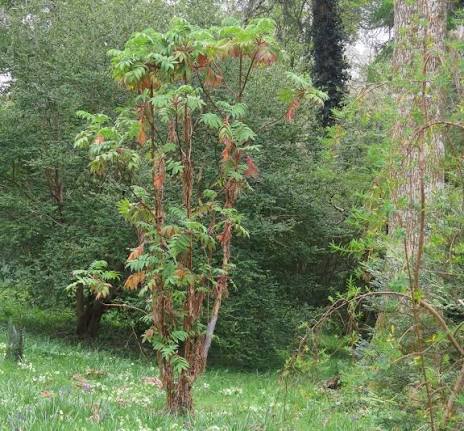
Kosso specimen
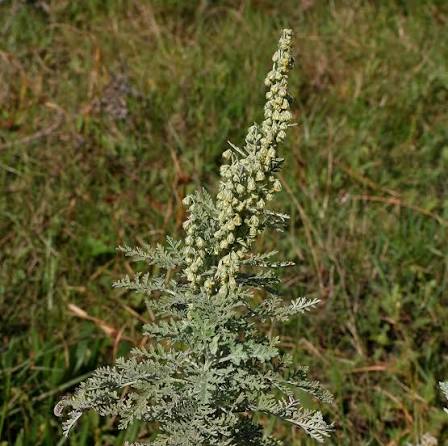
African wormwood
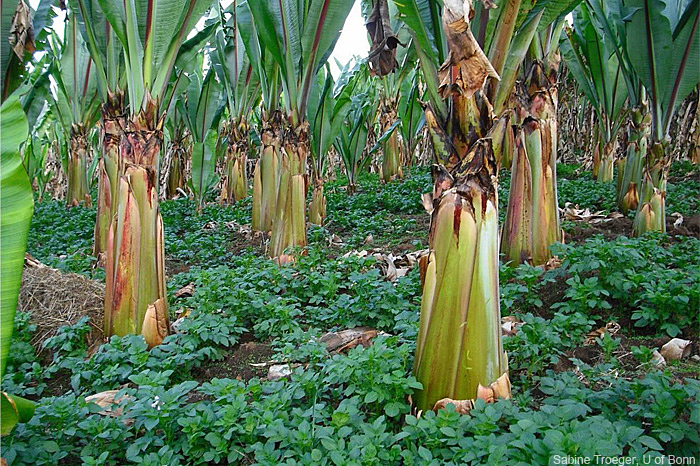
False banana
View Full Gallery

Stay Informed

Research Updates

Receive notifications when new specimens are archived and publications are released.